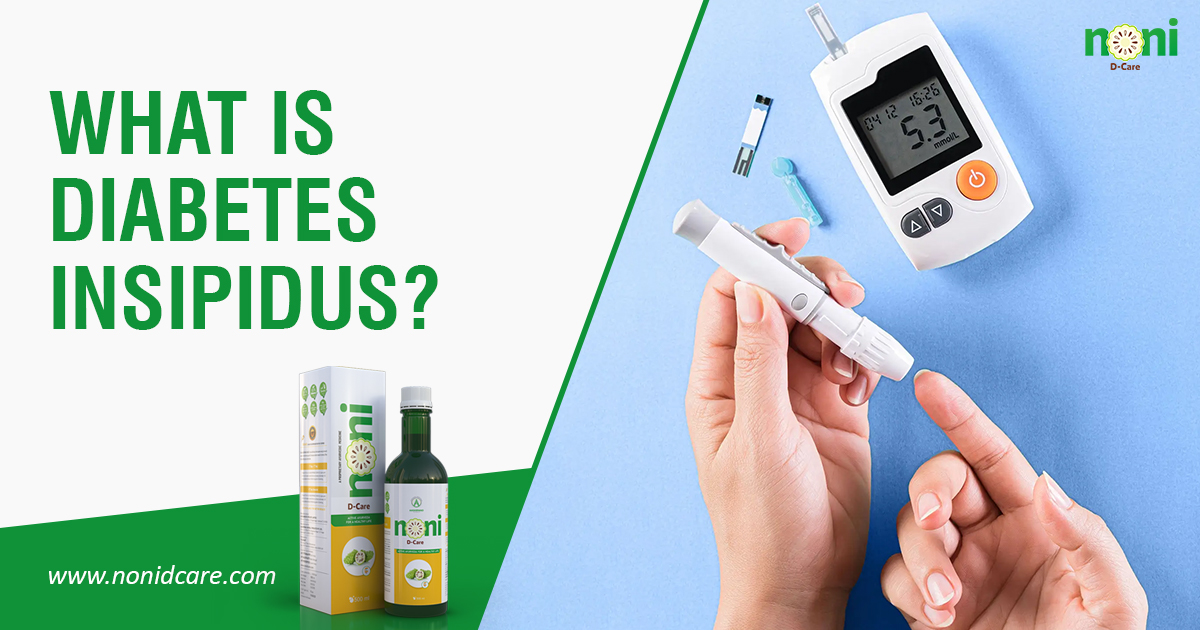
When someone says diabetes insipidus, the first thing that comes to our mind is blood sugar. But diabetes insipidus has nothing to do with blood sugar. Diabetes mellitus and diabetes insipidus share the name “diabetes”, but their causes and triggers are different. Diabetes insipidus is now called Arginine Vasopressin Disorder or AVD.
What is Diabetes Insipidus?
Diabetes insipidus is a rare type of diabetes that shares symptoms of diabetes mellitus, i.e., excessive thirst and frequent urination. Unlike diabetes mellitus, which is related to the pancreas and insulin production, Diabetes Insipidus (DI) is related to the kidneys and the hormone vasopressin.
People with DI have normal blood glucose levels, but their kidneys have problems balancing the fluid levels in the body. Ayurveda sees it as an imbalance of kapha dosha and calls it Kapha Prameha.
Types and Causes of Diabetes Insipidus
Diabetes insipidus is of two types: Central diabetes insipidus & nephrogenic diabetes insipidus
Central diabetes insipidus (CDI) is caused by a deficiency of the hormone vasopressin or Anti-diuretic hormone (ADH). ADH is formed in the hypothalamus and stored and released by the pituitary gland. The volume of urine output is controlled by ADH. The imbalance in this hormone causes frequent urination.
Nephrogenic diabetes insipidus results from the inactivity of the kidneys when the kidneys don’t respond to the vasopressin hormone.
The main cause of central diabetes insipidus is injury to the hypothalamus or pituitary gland that stores and releases vasopressin hormone. The injury can occur due to:
- Brain infection
- Genetics
- Head or brain injury
- Autoimmune disease
- Lack of blood supply to the pituitary gland, or
- Surgery in and around the area of the brain
Whereas, the causes of nephrogenic diabetes insipidus may be due to:
- Side effects of specific medicines
- Hereditary problem
- Elevated calcium levels in the body
- Kidney disease
- Urinary tract blockage
What are the complications associated with DI?
The major concerning difficulties are:
Dehydration: Frequent urination causes dehydration, weakness, and excessive thirst, and adversely affects skin health.
Electrolyte imbalance: An imbalance of electrolytes such as sodium and potassium may lead to nausea, vomiting, weakness, muscle pain, and cognitive issues.
Sleep deprivation: Nocturia (urination during the night) deprives the individual of getting proper sleep at night.
Diagnosis
Various tests assist in confirming the diagnosis of diabetes insipidus such as:
Fluid deprivation test: Measure of urine concentration by suppression of fluids.
Urinalysis: To check the concentration of glucose and differentiate diabetes insipidus from diabetes mellitus.
Blood test: To check glucose in your blood and measure electrolytes.
Vasopressin test: After the individual is kept dehydrated, a vasopressin dose is given to identify the type of diabetes insipidus.
Blood tests: These are used to check electrolyte levels, especially sodium, to determine if dehydration or an imbalance is present.
Imaging tests: An MRI may be ordered to look for abnormalities in the brain, particularly the hypothalamus or pituitary gland.
Natural treatment for diabetes insipidus
As per Ayurveda, diabetes insipidus happens due to the disparity of kapha dosha and is known as kaphaja prameha. The principle followed to treat kaphaja Prameha is similar to the treatment of prameha. Panchakarma for detoxification and Trishna chikitsa for excessive thirst are mentioned.
Balance electrolytes: Consume foods that replenish the lost electrolytes due to excessive urination. Fruits like bananas and oranges, vegetables like spinach, and beans, nuts, and seeds help maintain electrolytes.
Hydration: Dehydration is one of the complications of DI. Keep replacing the lost water with drinking enough water to maintain hydration. Feeling thirsty or not, to prevent dehydration keep sipping water.
Avoid alcohol and caffeine, as they are diuretics that can worsen the symptoms of diabetes insipidus.
Herbal remedies: Herbs that support kidney health and function are dandelion roots and licorice.
Try Noni D-Care
Conclusion
People with diabetes insipidus have problems with either the production and release of vasopressin or the failure of the kidney to respond to the vasopressin hormone. Diabetes insipidus is a rare but challenging health condition. Patient education is necessary. Diagnosing the right kind of diabetes insipidus helps in proper treatment. Electrolyte replenishment is essential to avoid problems such as weakness, nausea, vomiting, and cognitive function issues. Herbal remedies help to strengthen kidney functions and detoxification of the system. Maintaining adequate fluid levels is as vital.